That ‘something happens’ when we go to music events is a universally acknowledged fact. If we can all agree that there is such a thing as a fact in this day and age. The individual raver steps into a club, and undergoes an experience that, upon exposure to audio and visual stimuli, leaves them in an altered state.
Despite cynical stereotypes that might put this change down to mind-altering substances, and paints an image of the raver as some kind of damaged, out-of-control personification of hedonism, the beneficial aspects of this change are well-documented. Whether it’s a newly-found sense of community, an introspective episode of escapism, or the ability to embrace a lack of inhibition and move, childlike, to rhythms and melodies designed to make you do just that, the experience found at music events draw people back to them, time and time again.
Entire communities and lives are centred around these experiences, and yet, they are under existential threat. Perhaps as a result of the negative stereotypes that surround the nightlife industry and, as an unfair result, the electronic music community as a whole, venues that offer this kind of experience have, since lockdown, closed at an alarming rate. The BBC reports that over 400 clubs – a third of the total number of clubs in 2020 – have closed down. Pickle Factory, Corsica Studios, Hope Works, Motion, Wire, pour a drink out for just a few of the fallen soldiers.
But why are they closing? What’s causing the decline in the number of spaces that people can have these important experiences? The simple, and accurate answer, is money. Rising rent, lower attendances, the endless march of gentrification, these factors and more are making these spots untenable in a landscape dictated by balance sheets.
The value of the music, of the experience, is hard to quantify: Release, escape, community, fun. To reference these benefits would not be inaccurate, but they are somewhat thin. They struggle to account for the depth of attachment people feel to music, the sense that something essential is at stake when venues close and scenes fragment. In a world increasingly ruled by metrics, optimisation, and monetisation, they’re simply not enough.
The harsh reality is that scenes and establishments are in the hands of those who speak a language different to the anecdotal evidence provided by clubbers. The old cliche here rings true. If you don’t go, you cannot know. The problem with this is the clear schism between these two groups. Anything that cannot explain its value in legible terms risks being quietly deprioritised.
“I found myself talking about sound healing in the smoking area of raves
with techno heads and artists. I realised, of course, this community
are going to be most susceptible to sound as therapy.”
Events such as Quantum Sound, the most recent brainchild from LWE’s Mastery project, is uniquely positioned to address this discord. Sitting at the intersection between wellness and rave culture, the motivation behind Mastery is in “exploring the psychology of the creative process, the art of performance, and the science of sound”. By examining the processes at work in sound and music, in its creation and consumption, founder Bianca Mayhew has developed a platform whereby electronic music experimentation can provide us with unique insights into why clubbing, why listening to music, can affect us the way that it does.
“I found myself talking about sound healing in the smoking area of raves with techno heads and artists,” Mayhew recalls. “And I realised, of course, this community are going to be most susceptible to sound as therapy.”
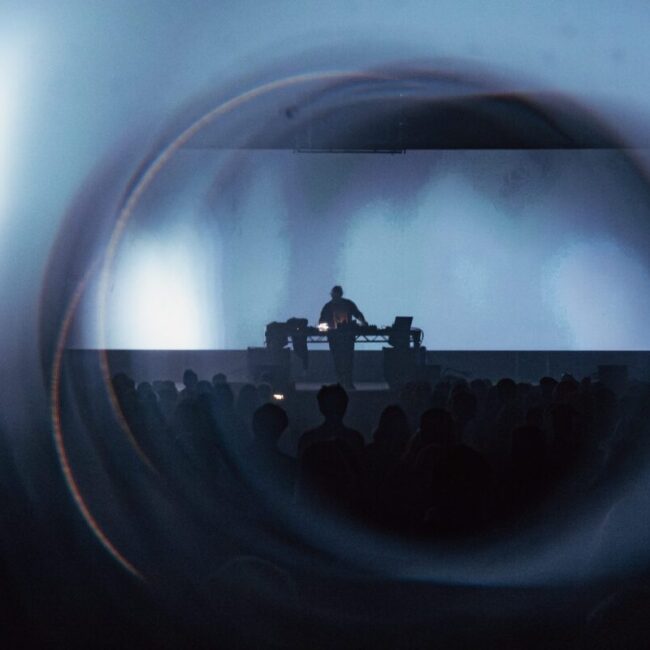
Quantum Sound’s first live iteration made this intuition tangible. At sunset during LWE’s ION Festival, Mayhew brought together sound-healing practitioners Cherub Sanson and Tim Wheater with Daniel Avery, blending crystal bowls, gongs, flutes, and ambient electronics for an audience lying down, eyes closed.
“It just ignited something in all of us,” she says. “The wheels just kept turning.”
Upon return to London, it found a natural home inside fabric, where the project’s emphasis on sound system and community resonated deeply.
“We felt so at home presenting the experience in that iconic rave space, on that beast of a sound system, as if this is how it was always meant to be.”
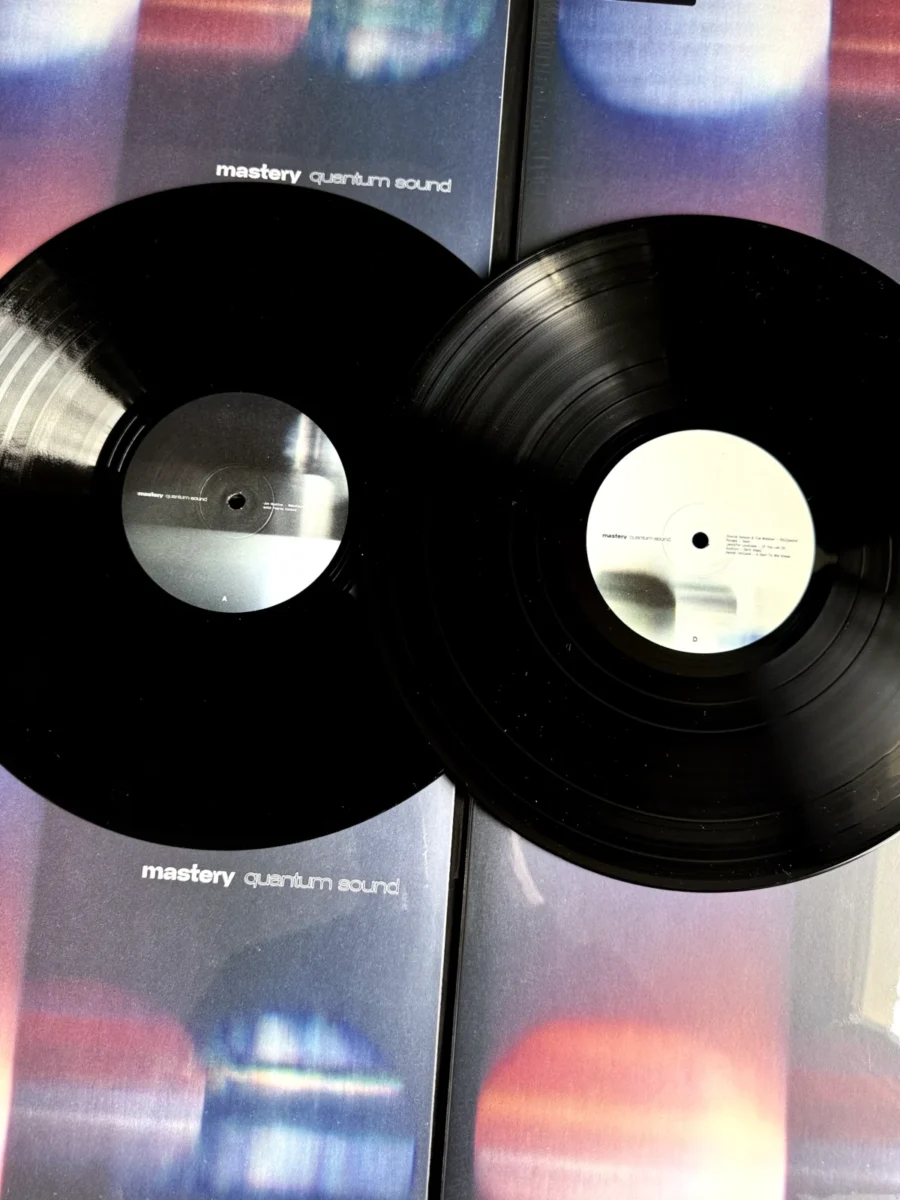
It’s in this iconic space that the Mastery Quantum Sound LP, which draws upon the skills of some of the most highly regarded producers in the scene (Djrum, Allesandro Cortini, Wata Igarashi) alongside those that you might argue are primarily known for their high energy DJ performances (Manami, Jennnifer Loveless), will be played, in full by Hannah Holland as an hour long continuous mix, as part of the The Quantum Sound Listening Experience on 10th Feb.
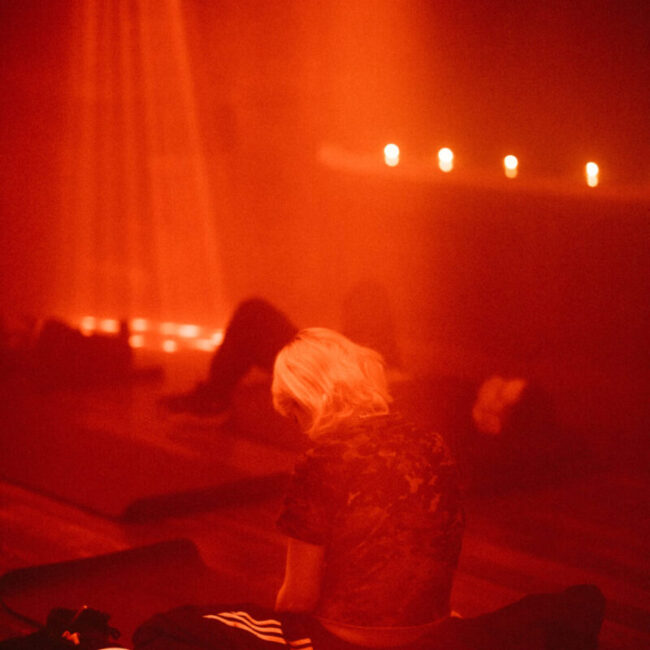
The event is the latest in a run that has seen ambient sets with names ranging from Max Cooper to Daniel Avery, Flora Yin-Wong to Autechre. Out are the seething masses of limbs and pounding 4/4 rhythms, and in are yoga mats, eye masks and drawn-out, soothing frequencies.
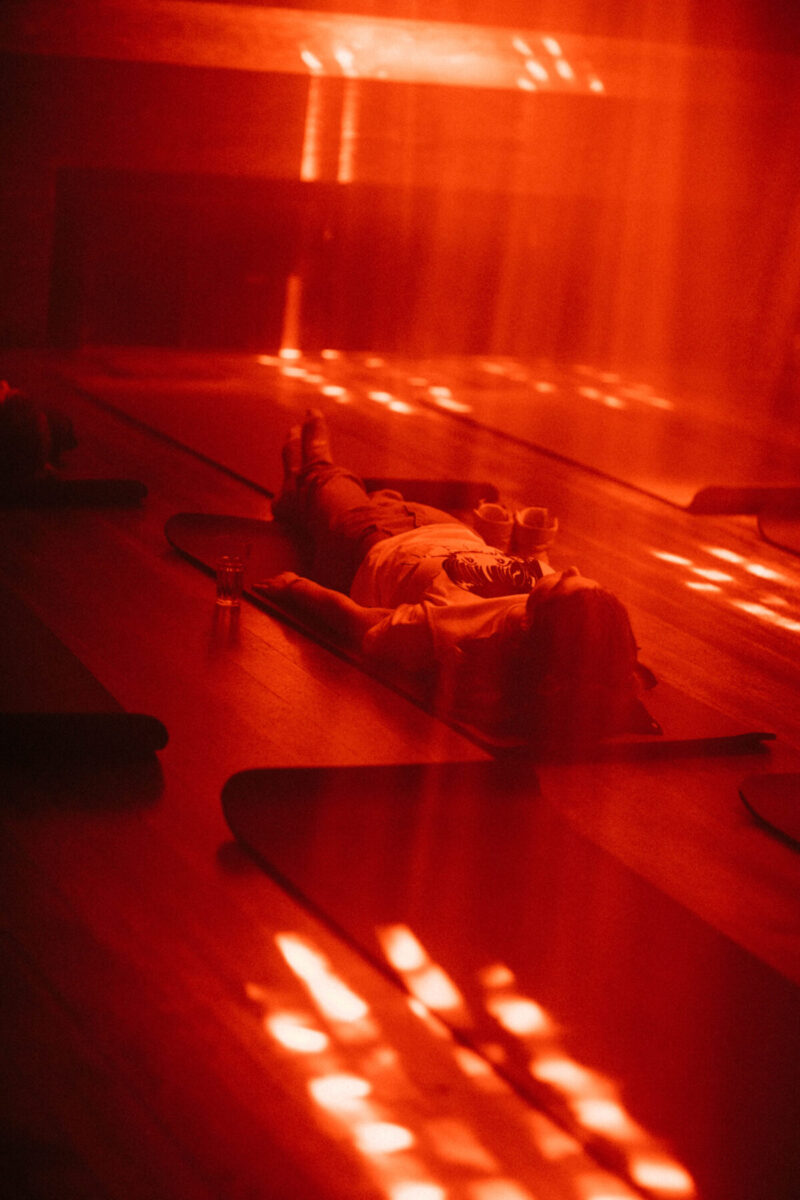
The nights, which aim to turn the current structure and aesthetic of the wellness industry on its head by “creating something the music community can connect to”, caused such a stir in fabric that Houndstooth, the label home to outstanding releases from the likes of Abul Mogard, Call Super, Special Request and Penelope Trappes, to mention just a few, approached Mayhew with the possibility of a physical incarnation of the concept.
“I think we were stirring up a bit of chatter in the venue, and Houndstooth is based out of fabric, and so we collided!” says Mayhew, “Everything about this project seems to move very organically.”
Organic movement being one of the seeming cornerstones of the Quantum Sound project. It’s an approach to wellness that defies the gamification that seems to have crept into almost every aspect of life.
“One thing I find difficult to engage with for meditation content is how it can feel more like an athletics competition at times. Goals, commitments, how many days streak are you on, don’t think, sit like this… just another thing in life to potentially fail at.”
Quantum Sound strives to create a meditation practice that “gets a person to that place of balance, calm, bliss, and I’m offering a version of this to people who love music. “Listening with eyes closed” is our only instruction and we hope people engage with the album in a way that feels meaningful to them.”
A simple brief for the audience then, but what instruction did Mayhew provide for the artists whose contributions make up the album?
Equally simply, music “for listening with eyes closed.” As Mayhew says, “All the artists knew Quantum Sound was playing with the boundaries of sound as meditation, and ambient electronic music, and their contribution was whatever they felt it should be.”
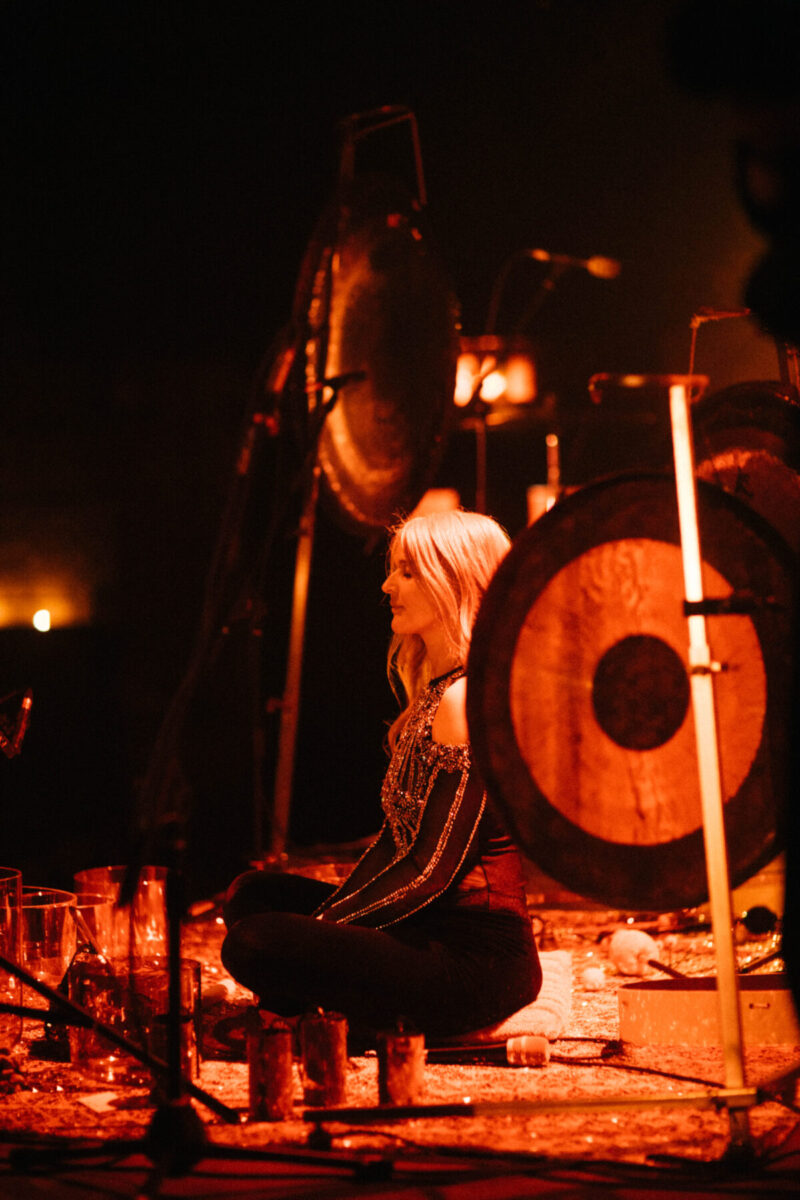
"Often when I've finished playing, it feels like waking up from a deep dream. And that's how we'd love the listeners to feel."
Cherub Sanson, a sound healer and co-founding artist with Mastery and Quantum Sound, approaches the project from the lens of someone “supremely dedicated to elevating therapeutic sound to the forefront of popular awareness”.
On her track with Tim Wheater and Rommek, in attempting to induce an altered state in the audience the group “aimed to shift into an altered state ourselves – to tune in and create from that hazy place between sleep and awake. Often when I’ve finished playing, it feels like waking up from a deep dream. And that’s how we’d love the listeners to feel.”
To achieve this Sanson and co. have “incorporated specific key changes and tonal colours to create smooth transitions throughout the piece and to bring the journey to a natural resolution – important for elevating state and mood.”
She is “quietly hoping the listeners won’t be able to resist closing their eyes when they sink into this soundscape. I’d love them to feel fully immersed in their own inner world. A moment to turn down the noise of life and recalibrate to their own natural rhythm.” What will that sound like? Sanson tells us to “expect crystal bowls blended with bass and ancient-electro light and shade”, as the club-centric setting gave her the “opportunity to fuse in more dynamic, activating, melodic motifs into what would normally be a strictly soothing soundscape”.
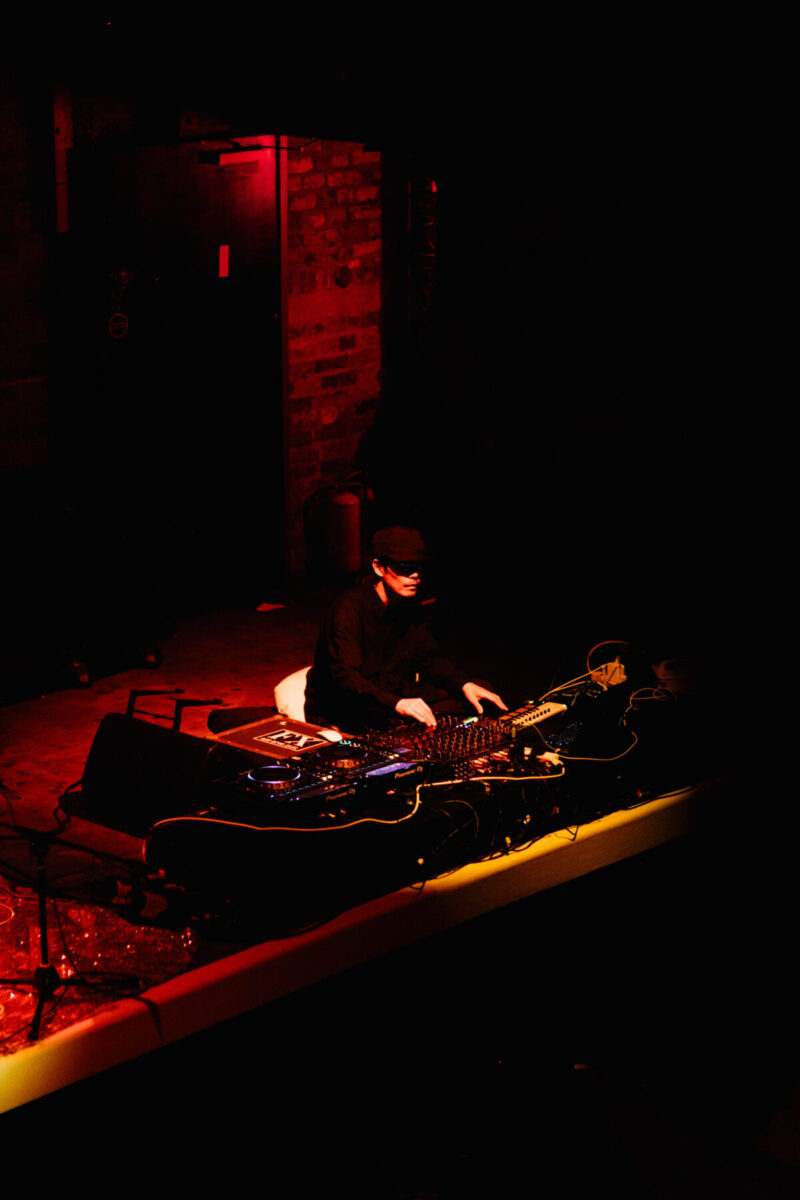
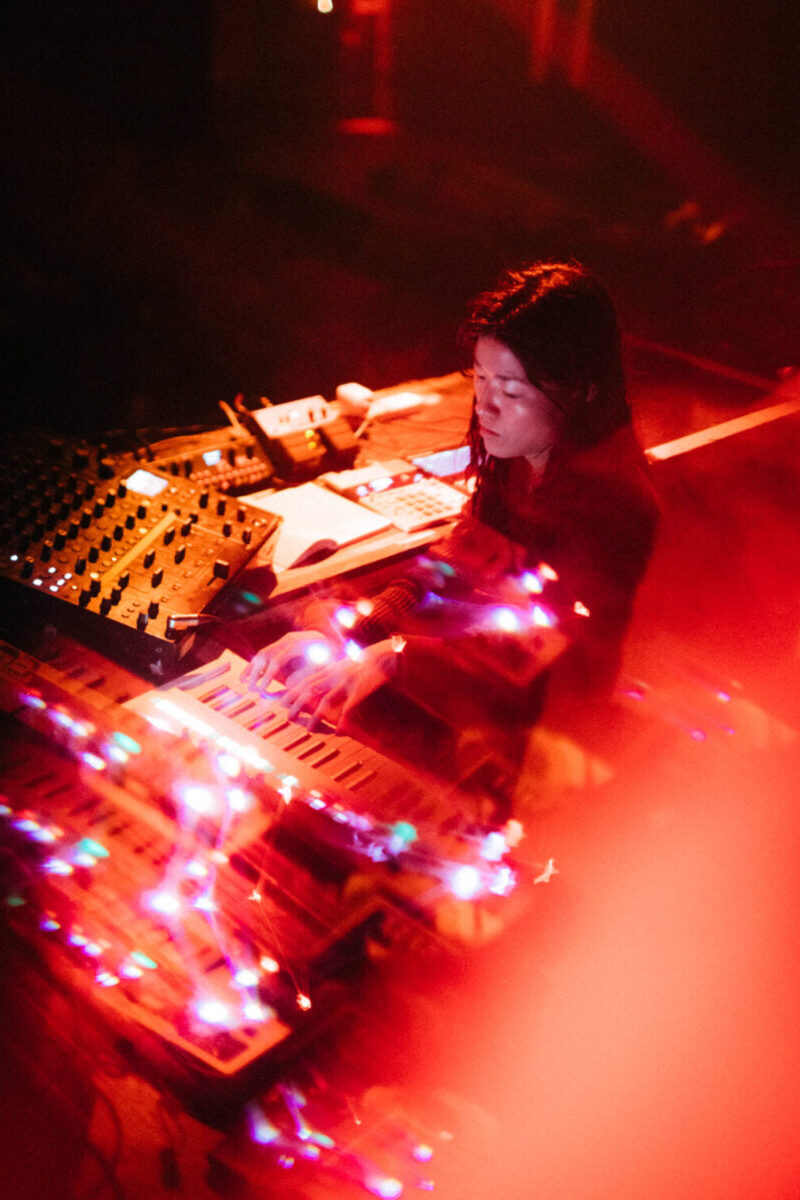
On what could be considered the opposite end of the spectrum of artists appearing on the album, you have people such as Wata Igarashi. Known for his uncompromising, hard-hitting yet hypnotic techno sets and own dark, wormhole-through-time production style, Quantum Sound offered him an opportunity to embrace a softer side to his creation method, perhaps embodying Mayhew’s vision for this rave-meets-wellness niche that Mastery have carved out.
“As Daniel Avery always says “different BPM, same spirit”” she says, “so much of Quantum Sound was inspired by euphoric and profound experiences I’ve had on the dance floor. I work with artists who can command a room of dancers at 7am because that is an intuitive skill I believe to be the same as what it takes to write a piece of transcendental music.”
When it works, the feeling is very immersive. It can feel like floating, swimming, or being completely surrounded by the sound. Sometimes it is beautiful, sometimes strange, but it often feels mentally cleansing.
“Wata Igarashi is a perfect example of this. His 15 minute track on the album is an absolute trip, as is his ambient live set, as are his techno sets. He has an in-built intuitive approach to his creation that puts him at (dare I say it!) “shamanic” level in my eyes.”
The creation process behind his track, ‘Mineral’, showcases a distinct awareness of getting listeners in touch with the body and mind.
“Mineral was not written in a conventional way.” he says, “During the COVID period, I founded my WIP label and released a series of ambient works in progress. A close friend, an artisanal perfumer, later created a fragrance inspired by that music and shared it with me.
“Experiencing the scent felt like the music being reflected back in another form. Its fresh, dewy, and luminous qualities sparked a new response, and I began composing again, letting the fragrance guide the atmosphere and emotional direction of the piece, this time. In that sense, Mineral emerged from a quiet collaboration between sound and scent, each inspiring the other.”
Mirroring Sanson to an extent, for the album Igarashi tried to “make music that allows me to disconnect from my physical environment and enter an imagined space created only by sound. When it works, the feeling is very immersive. It can feel like floating, swimming, or being completely surrounded by the sound. Sometimes it is beautiful, sometimes strange, but it often feels mentally cleansing. For me, the most important technique is to be very clear about how I want to feel when listening. From there, choices about frequency, movement, and space come more naturally.”
The combination of sound and scent, the most powerful senses in evoking memory, seems an apt inspiration for a track designed to take listeners to an altered state of mind. What that altered state might be, what Mayhew wishes for the audience to achieve, is a “state of bliss”, going on to admit that she “now needs to work out scientifically what that even means…”
“I think psychology is one of the main reasons people return to music venues. That’s why I went to fabric every week when I was a student. That experience does something to you.”
Enter, LWE and Mastery’s new partnership with Oliver Durcan, founder of Creative Empirical and currently engaged in PhD research that examines flow states in artists, musicians and audiences.
When Durcan talks about music, it’s immediately clear that he isn’t approaching it as a distant object of study. Raised by two classical musicians, Durcan moved through the contemporary art world, grassroots cultural spaces, and the tech industry before turning decisively toward psychology. What ties these threads together is the persistent sense that something profound happens in artistic and musical environments, and that this “something” remains poorly understood.
“A lot of artists and musicians, even if they don’t use the word flow, describe the experience of getting into it as just so important,” he says. “I’ve had some people tell me it’s the reason they do it. So there’s clearly something important going on there.”
That “something” is what Durcan’s research attempts to approach through the concept of flow: a state of deep absorption in which self-consciousness drops away, time perception shifts, and attention becomes effortless. Despite being widely discussed for over half a century, flow remains frustratingly elusive from a scientific perspective. “When I started my PhD there were about 20 studies on flow in creative contexts,” Durcan explains. “And we still don’t have a neural diagnostic marker of flow. Which means you can’t really progress, because you don’t know when it’s happening, or how intensely it’s happening.”
This lack of a baseline has consequences beyond academia and brings me back round to my introductory comments. Without a way to identify and therefore evidence these experiences, they remain vulnerable in cultural, political, and economic sense. “If something can’t be quantified,” Durcan says, “it’s really hard to preserve it. Especially from a policy perspective.”
This is where Quantum Sound becomes more significant than an act of simple escapism. It represents a real-world environment that begins to solve problems traditional neuroscience creates for itself. One of the biggest obstacles to studying altered states like flow, Durcan argues, is motivation. “You can’t expect people to get into states of flow if you bring them into a lab and tell them to do something they don’t care about,” he says. “Motivation is one of the most important antecedents of flow. You need a meaningful incentive, not just ‘I have to do this to pass a module’.”
There is also a level of technical limitation. EEG equipment is sensitive to movement, muscle tension, and electrical noise. “If you move, if you clench your jaw, if you’re in an environment with lots of electrical interference, it cuts straight through the brain signal,” Durcan explains. “So you end up in a lab, staying still, in a place you don’t really want to be. It’s not ideal.” By the same token, the idea of hooking up ravers to an EEG during a 4 hour stint in the early hours of Sunday morning is out of reach.
Quantum Sound offers a fresh approach. At the listening events, participants lie still for extended periods, eyes closed, in an environment they have actively chosen to enter. “People are lying on a mat with an eye mask, still for over an hour, in a place they’ve literally bought a ticket to go to,” he says. “So all of these problems are solved by the format.”
This is why the Quantum Sound event at fabric matters so deeply to Durcan’s work. “We’re doing some of the first actual brain scans inside fabric,” he says. “And you can just tell it’s different. People are excited. There are all these extra features that happen in a club which you just can’t take into a lab – but you can take some of the lab into the club.”
The significance here isn’t novelty for its own sake. It’s that nightlife spaces, so often, as already mentioned, discussed only in terms of risk, excess, or economics, could, just maybe, emerge as uniquely powerful environments for studying human consciousness. “I think psychology is one of the main reasons people return to music venues,” Durcan says. “That’s why I went to fabric every week when I was a student. That experience does something to you.”
Yet those psychological effects are almost entirely absent from the language used to defend nightlife. “You look at the nighttime economy reports,” he notes. “They’re all about clubs in numbers. That’s the language people who can support these institutions speak. Underneath that, what’s actually being sustained are meaningful experiences.”
Durcan is clear-eyed about the ethical tensions involved in measuring such experiences. “There would be risk if someone had data tied to a specific person and could use that to manipulate them,” he says, pointing to social media algorithms as an obvious warning. But the larger risk, he argues, lies in leaving these experiences invisible, unquanitfiable. “Everyone says it’s personal and meaningful,” he says. “But that doesn’t seem to have a big impact on the support of the scene or its venues. If we don’t communicate what’s happening in the language people understand, how else are we going to preserve it?”
At the core of this work is a desire to understand what actually changes when someone enters a deep listening state. Durcan describes flow through three experiential components: absorption, effortless control, and intrinsic reward. “Absorption is loss of self-reflection, loss of time awareness,” he explains. “Effortless control is being able to pay attention without really trying. And intrinsic reward is enjoying it for its own sake.”
Neurologically, this often corresponds to the down-regulation of planning and self-referential brain areas. “We’re not planning, we’re not thinking ahead, and we’re not focused on the fact that we’re experiencing it,” he says. “It’s not ‘I am experiencing this’. It’s just experience.”
What makes Quantum Sound particularly compelling is that it shifts attention from the performer to the listener, an area of research that remains underdeveloped and is highly relevant to the overall wellness aims of these laid-down, eyes-closed gigs. “There’s almost no flow research in what we call the appreciative context, in listening.” While flow has been studied in performers, athletes, and creatives, flow in music audiences has largely been ignored.
The Quantum Sound event provides a rare opportunity to explore this. “Do we see the same neural signatures in listeners as we do in performers?” Durcan asks. “Or is there a whole other dynamic going on? That’s what we’re beginning to find out.”
He is careful not to overstate the outcomes. “We don’t know the use case yet,” he says. “We’re building foundations.” But the implications seem, to me at least, far-reaching. From understanding collective experience, to designing better cultural spaces, to reframing nightlife as something more than entertainment or escape, these are foundations with the potential to do huge amounts of heavy lifting for further projects and research regarding what it is to go out, to listen to music.
“Anecdotally, people say something beneficial is happening when they go to these places,” Durcan reflects. “Research is there to say: this is what’s happening, this is why it’s happening, and this is what stops it from happening.”
In this sense, Quantum Sound is not just another event. It is a test case for whether experiences we intuitively know to be essential to our lives, for absorption, connection and altered states of attention, can be articulated clearly enough to be protected. In a world increasingly ruled by statistics and data, Durcan’s work suggests that cold hard facts are not necessarily the enemy of meaning, but one of the few remaining tools we have to defend it.
Perhaps the project offers a genuine step forward in helping those who witness it understand that fact. As Cherub Sanson puts it, “ boundaries are blurring, subcultures are merging, and sound healing, electronic music, and meditation can all be medicine for healing, transformation, and connection.”
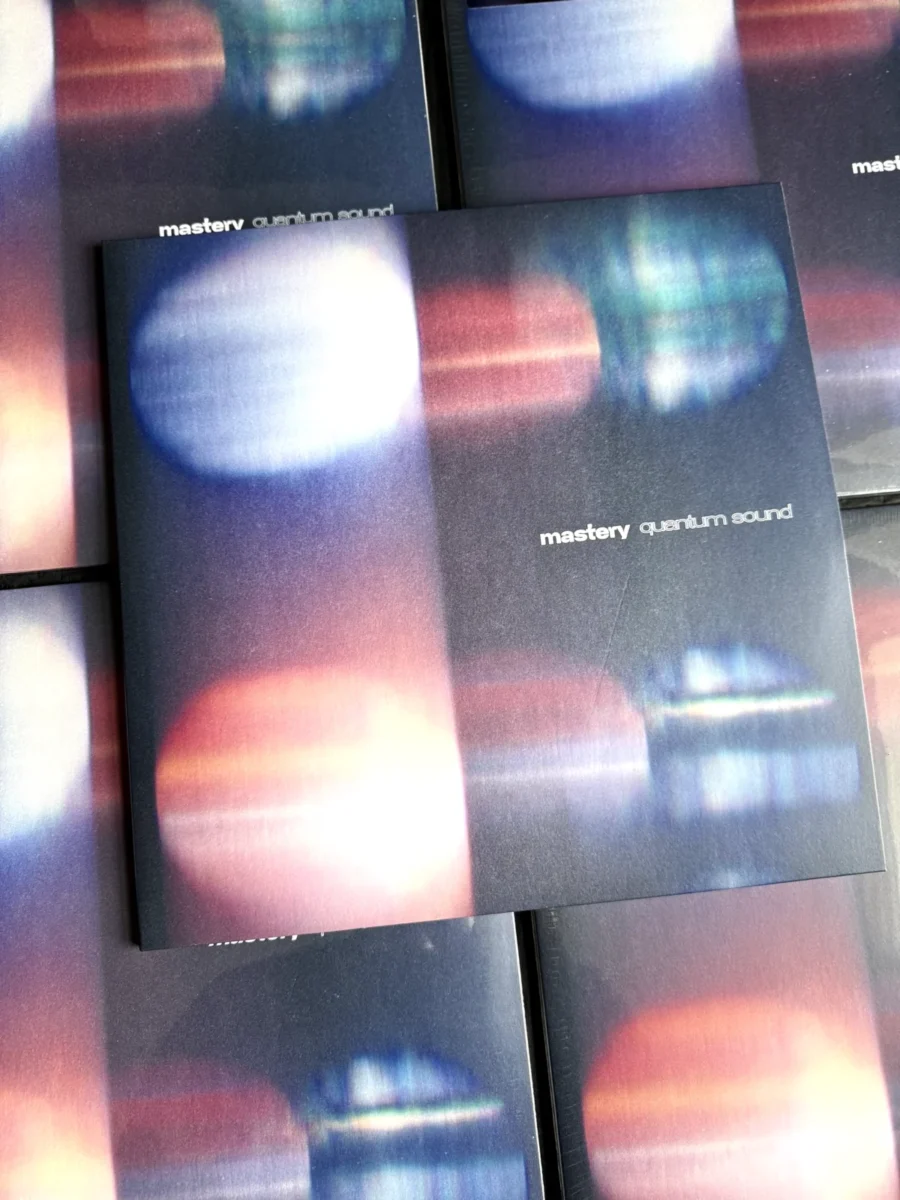
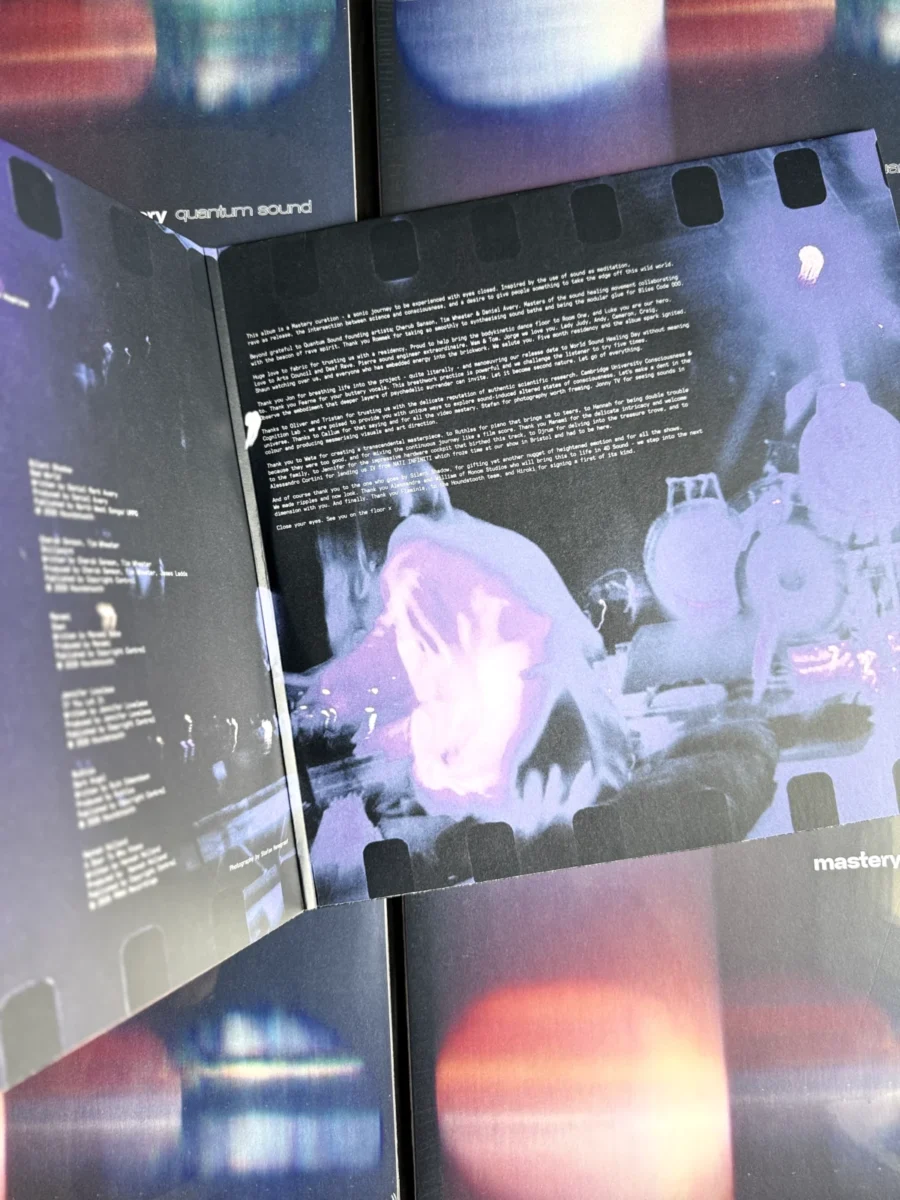
Master Quantum Sound is scheduled for release 12 February via Houndstooth. Buy a vinyl copy from Inverted Audio Record Store and digital from Bandcamp.
TRACKLIST
A1. Jon Hopkins – Embodiment Breathing (With Fearne Cotton)
B1. Cherub Sanson, Tim Wheater, Rommek – Bliss Code 00
B2. Hannah Holland – Ambient Chronolight 1
B3. Djrum – Come Find Me
C1. Alessandro Cortini – IV
C2. Wata Igarashi – Mineral
C3. Silent Shadow – Red World
D1. Cherub Sansom & Tim Wheater – Stillpoint
D2. Manami – Sown
D3. Jennifer Loveless – If You Let It
D4. Ruthlss – Dark Angel
D5. Hannah Holland – A Door to Who Knows