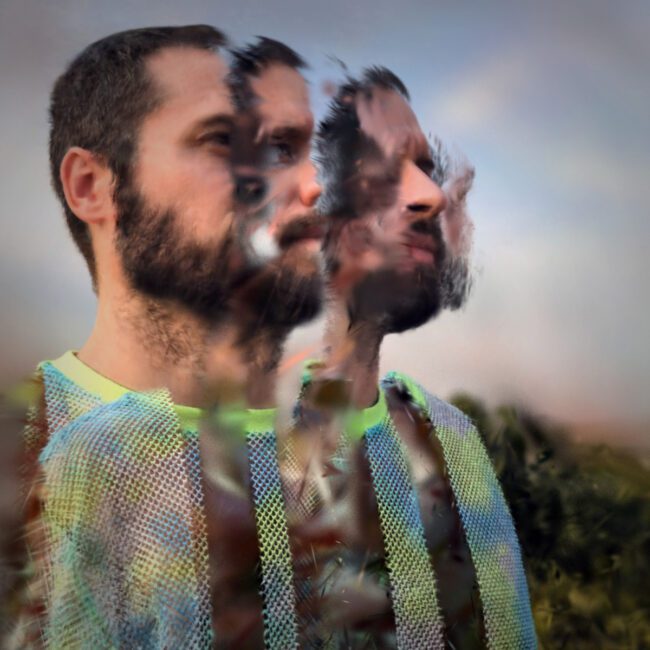
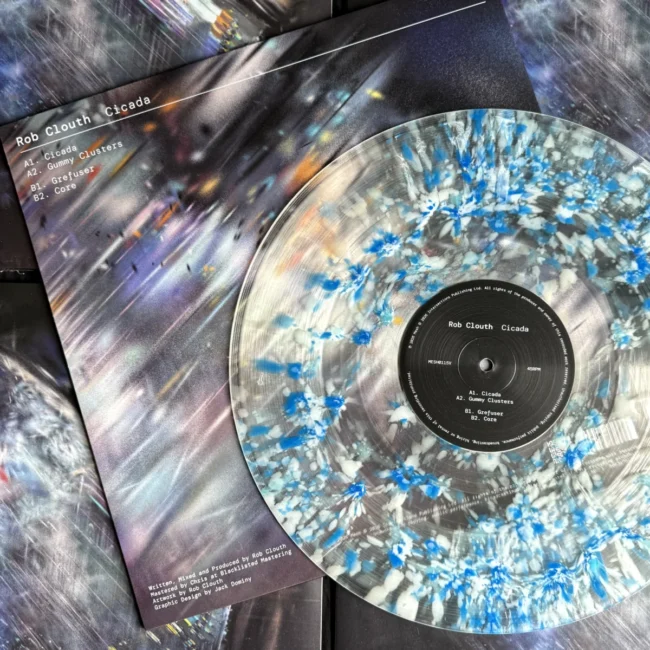
Producers like Rob Clouth are operating on the other side of a technological wormhole. He and his cohort are just beyond the paradigm shift we’re all still going through.
Boris Cherny, the Ukrainian-born software engineer who created Anthropic’s Claude Code, has said his favourite book is the 2005 sci-fi novel Accelerando by Charles Stross, about three generations of a family who live through a technological singularity. We keep changing the definition of AGI, but still, the book seems fit for our time here and now.
For the rest of us still going through the paradigm shift, there is fear and excitement in the air. The designers are saying they can code now. The programmers are saying they can design now. The mid-level managers are all getting fired. Actually, everyone is getting fired. Daniel Ek loves military drones. Massive AI data centres are sucking up all the water. Tough to say whether it’s a Solarpunk future or not. Maybe it’s actually hell.
But Rob, who regularly posts videos on social media where, for example, he showcases a low-cost multichannel audio rig he built himself by playing spatialised nature sounds through it, seems to be inviting us to that possible Solarpunk future. Again, I wonder where this all goes, but it’s this small group of maniac techno-optimists that give me hope.
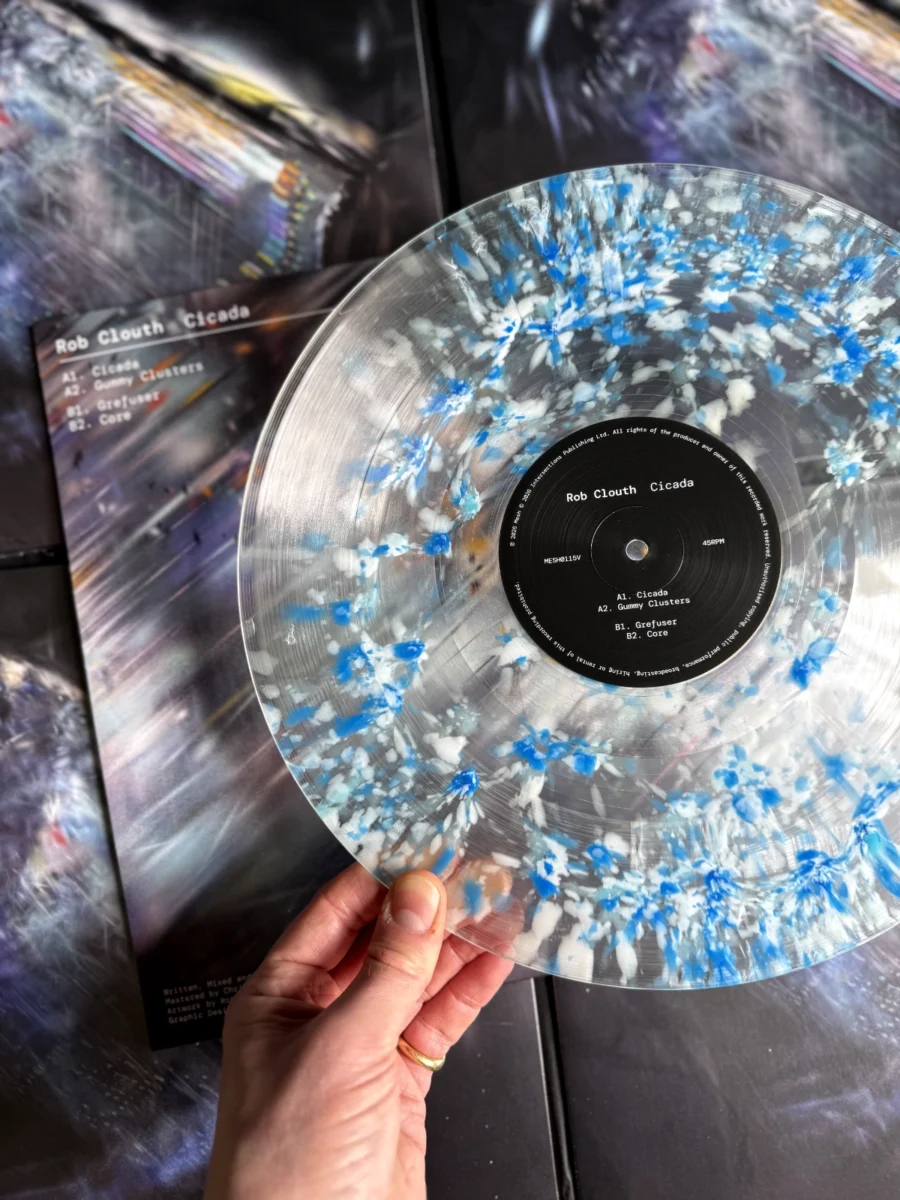
While it’s still quite rare to see someone at Rob’s level have this affinity for software, it’s also apparent how many young people there are dipping into the dark arts. Take for instance Mesh’s Discord, or the glitch[dot]cool Discord, both communities packed with “programmers turned artists” slash “artists turned programmers”. Many of these people are wondering what comes after now. Mesh is, of course, the label releasing Cicada, Rob’s now imminent 4-track EP, a label run by Max Cooper that has made itself home to other maniac techno-optimists like Rob.
And in the world of academia, there are places where the STEM buildings were put a little too close to the music buildings. An unlikely love affair took place between the two departments. The Max/MSP and Pure Data gods rejoiced. Institutions like IRCAM in Paris continue to support electroacoustic art-scientists, and 32-channel concerts are regularly put on, concerts that you can only experience in a handful of spaces across the world. Some people, even some of the other professors, say that it’s not really music anymore. It’s something, but what is it?
It is this event horizon where Rob finds himself now. While his music is more related to the club than to the electroacoustic, he is stricken with that same desire to know where the music stops and the technology starts.
There is a through-line from his earliest work as Vaetxh to Cicada. You can hear the penchant for sound design and bass-heavy production through it all. But slowly, from one release to the next, Rob has begun to build these Monte Carlo simulations of sound, one where we are hearing a theoretical music where Rob not only pushes himself, but pushes what is possible in this music.
Cicada is a ritual in hyper-optimisation. It carries Rob’s signature perfectly-tuned bass music production, but along with that comes seemingly endless variations of foley sounds, samples, effects, textures, and filters. Every few bars, a new variation emerges. With each new variation, highly optimised parameters have been calibrated beyond what is possible in the software that a commoner would use, software and plugins Rob built himself.
This music has a real trajectory and inertia to it. Like Tan Dun’s Water Concerto, real-life sounds are repurposed as subject material, but this time contextualised for the club rather than the concert hall.
Like that through-line from early Vaetxh to full-blown Clouth, there is a through-line from Edgard Varèse’s work, things like Poème électronique, to Clouth. That piece was heavily sampled in a track by sound design wizard Amon Tobin, and sampled for good reason. Varèse was considered by many to be the father of electronic music. That piece was premiered at the Philips Pavilion in 1958 using a spatialised speaker setup employing over 400 speakers.
But the main reason a through-line exists there is that Rob’s music has begun to approach classical composition. With Cicada, it feels like we’re coming full circle, from Varèse, to the night club, and back again.
Alongside the release, Clouth delivers IA MIX 399 that further blurs the line between DJing and production – a high-tempo, 50-minute session built from over 25 tracks, reshaped through stem separation, rapid transitions and intricate edits. Speaking with Ryan Pivovar, he reflects a shift in process: moving away from rigid concepts toward a more instinctive, playful workflow that prioritises momentum over perfection.
The conversation also explores his long-standing collaboration with Max Cooper, his thoughts on Ai as both a creative tool and a political challenge, and Noise Canvas – his self-built “Photoshop for sound”.
Taken together, Cicada and this mix mark a turning point: a more immediate, maximalist Rob Clouth, building toward a larger body of work that stretches rhythm, melody and sound beyond human perception.
Interview by Ryan Pivovar
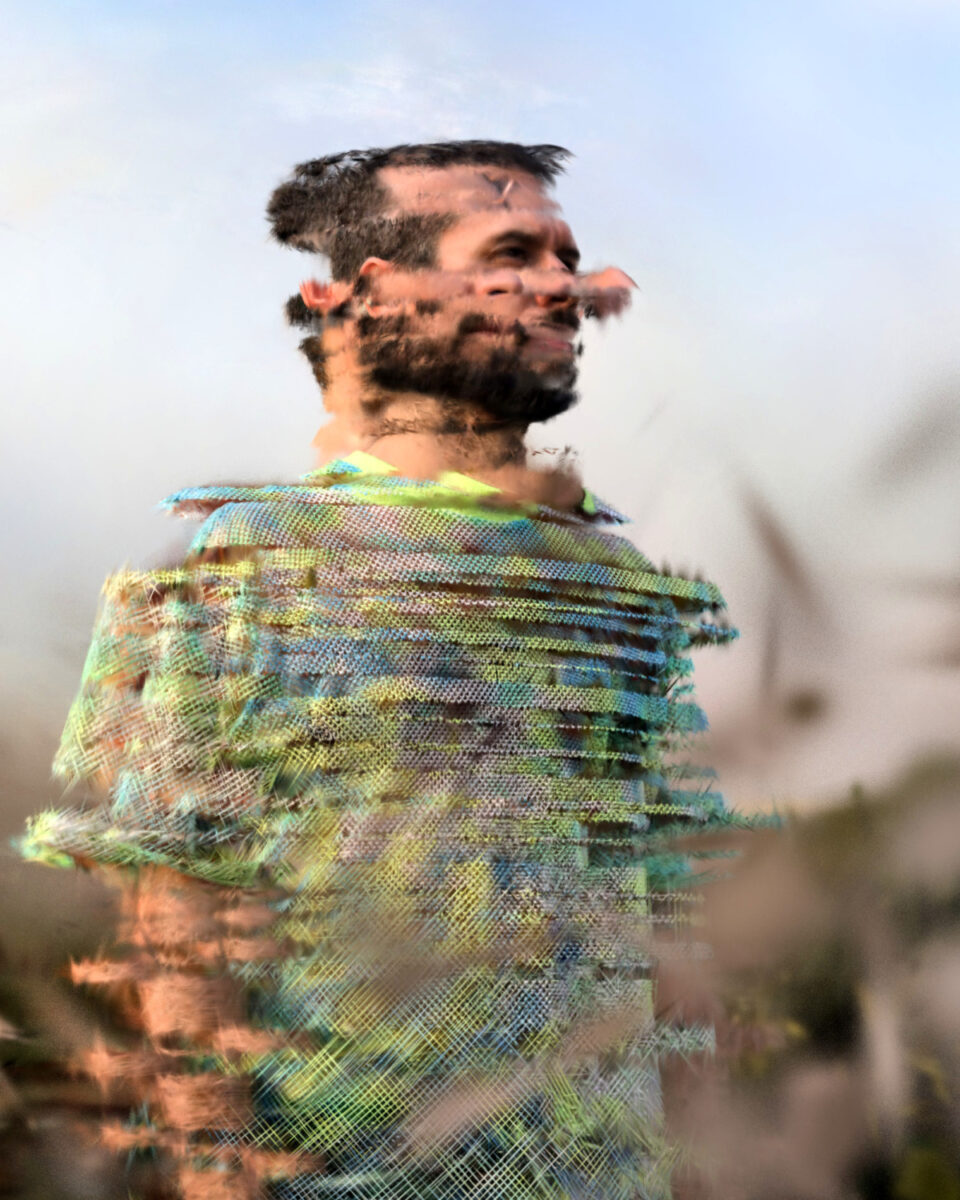
"I fancied doing something fast, around 160 to 170 BPM, so I put together
a playlist and dumped everything into Ableton. From there it was about
finding interesting blends and synergies and building a rough structure,
thinking about grouping and ordering genre / intensity to intensity."
Thank you for taking the time to speak with us and for providing this IA MIX. Could you tell us a bit about the mix: how you approached the track selection, where it was recorded, and the mindset and atmosphere behind its composition?
I fancied doing something fast, around 160 to 170 BPM, so I put together a playlist and dumped everything into Ableton. From there it was about finding interesting blends and synergies and building a rough structure, thinking about grouping and ordering genre / intensity to intensity.
I really like making mixes this way because it starts to become more like making a remix. You can get in and actually edit the tracks, chop bits out, duplicate bits. I’ve been doing stem separation on them as well, which means you can pluck elements out of one track and drop them into another. This 50 minute mix already has 25 tracks in it, and at that point it feels closer to production than it is to traditional mixing. I’d love to be able to do this live, but I just don’t see how it’s possible with my (low) level of mixing skill.
I’ve also been experimenting with much more frequent transitions than I’d normally do, more like a drum and bass set where you’re switching to a new track every couple of minutes, rather than the long gradual blends you might do with techno.
It’s really satisfying finding synergies between different tracks. The Polygonia tune and the Aya track, for example, those chords go together in a really satisfying way. And the Cesco one with Itoa. I love that bit, it’s so cheeky. The whole thing isn’t very subtle. Maximal is my ethos for now.
What was the collaborative process like for 8 Billion Realities? Was this your first time working with Max Cooper?
Working with Max is always a joy. We’ve been friends for a long time, maybe fifteen years or something like that, so it’s just like working with a friend. But a friend who really knows his shit. He’s got loads of experience making music and collaborating with people, and he’s super easy to work with.
I don’t have that much experience with collaboration myself. I tend to be a bit of a lone wolf. I’ve had problems with remote collaborations before. You can go a little out of sync, or I’ll get too deep into an idea and develop a track too far, so that by the time I send it back, the other person has lost the trail. But with Max, we know each other’s styles really well, so that wasn’t an issue.
He’s also just brilliant at getting shit done. There was a moment on one of the tracks where I hit a dead end. It was heading in this slightly psy direction that I really wasn’t into, and I sent it over to him and he just cleared it up. That track became Asymptote. He was just like, okay, let’s do this, this and this, and suddenly everything felt easy.
4 tracks on an EP feels right. Why is that?
An EP for me is not an album. An album is an opportunity to tell a longer story. A lot of people use EPs as just a dumping ground for tracks, and honestly that’s kind of what I’m trying to do more of these days, in a good way. Just use them as an opportunity to get music out the door.
Previously I’d try to curate everything and give each release some kind of special concept, but that meant I was being overly restrictive and loads of tracks just never made the cut. Four tracks feels right for now, but honestly I don’t care that much. It’s just a way of packaging up new music and getting it out there. Barcode only releases singles, and I love their music the same. There are many models for packaging up music.
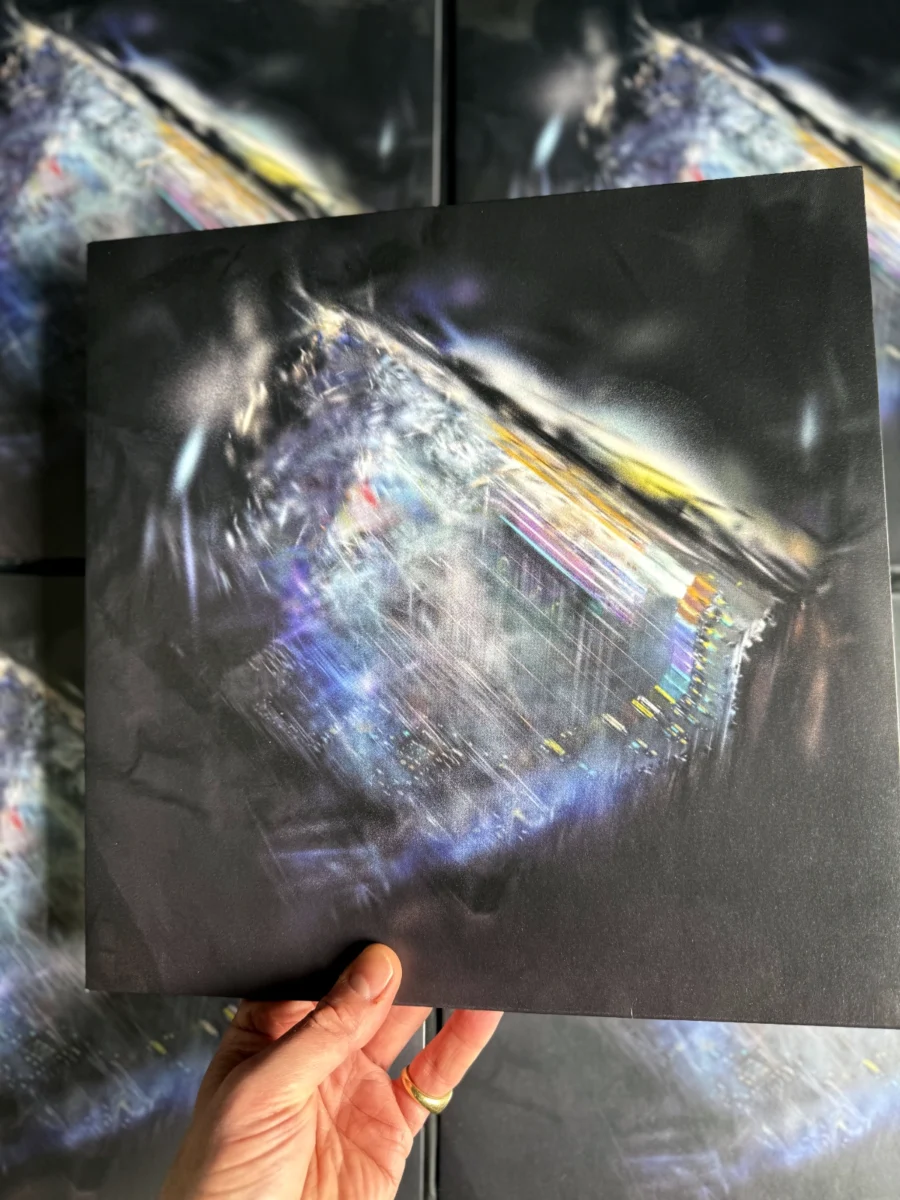
"An EP for me is not an album. An album is an opportunity to tell
a longer story. A lot of people use EPs as just a dumping ground for
tracks, and honestly that's kind of what I'm trying to do more of these
days, in a good way. Just use them as an opportunity to get music out
the door."
What has changed in your approach going from Bichillo to Cicada? Was the approach on these two EPs largely the same but occurring at different points in time, or were they fundamentally different approaches?
These two EPs have a pretty similar approach really. I’m just trying to get music out there a bit quicker, relying on my instincts more, and not being afraid of cutting corners or using samples I’ve made before or pulling things from Splice. Previously I’d set myself all of these arbitrary rules, like all samples have to be created from scratch, and that was really restricting my creativity and forcing everything I made to end up sounding the same.
So I’m trying to be a lot more YOLO about it. My previous EPs were all very conceptual and I’m a little bit sick of that. I mean, I still love conceptual stuff and I’m planning a big LP built around a very specific concept. But at the moment I’m just really enjoying focusing on the process of making music, not thinking about it too deeply, and having a good time. Grefuser and Gummy Clusters on the new EP are literally named after the snacks I had on my desk when I named the first versions.
AI is almost ubiquitously accepted for use in software engineering. But what about journalism? Creative writing? Music? Where is the line drawn, and do you think the line will shift in the decades to come?
AI is definitely used in software engineering a shit ton. My day job is as a software engineer and in the last couple of years it’s shifted from coding to basically chatting with an AI and drinking coffee.
There are obviously moral concerns around what these models were trained on, and the restrictions the providers place on their models. When the most powerful AI models are in the hands of big commercial entities, they want to censor everything. And music needs to be able to rebel. It needs to be able to say things that are sometimes illegal, because sometimes what is right is illegal.
Before homosexuality was legal, if AI tools had existed then, you probably wouldn’t have been able to discuss it because the model would have flagged it. Music is essentially political, and if we have to rely on big corporate entities to provide these services, that’s a real problem. The flip side of this is that you get Grok making sexualised images of teenagers. So I don’t know.
As a tool for music though, I love the idea of being able to sit in my chair with a beer or whatever and just talk with a computer about what I want from a song. The current tools don’t have the level of precision editing I need, but as a concept I’m not against it at all.
I used to think I loved programming, but now that AI writes the code for me I’ve realised I never actually loved programming. I loved creating. Maybe it’s the same with production. Maybe I don’t love the actual skill of clicking around and assigning parameters. What I really love is getting musical ideas out of my head and into the computer, and then the satisfaction of listening back and enjoying it.
The ethical problems around training data still stand, but assuming you had an ethically sourced model, I have no issue with using AI in music. It’s just not useful to me right now in the way I’d want it to be.
Who are some artists, musicians or not, that you take inspiration from these days?
I don’t want to keep gushing about Max, but he inspires me a lot. He’s just an absolute powerhouse who works incredibly hard. Obviously he’s got a lot of talent, but he doesn’t just sit on his ass and let it roll in. He’s always working on multiple projects at once while maintaining a really high quality output and doing all of that with a family. His level of productivity is honestly mind-blowing. I’d love to have that level of drive.
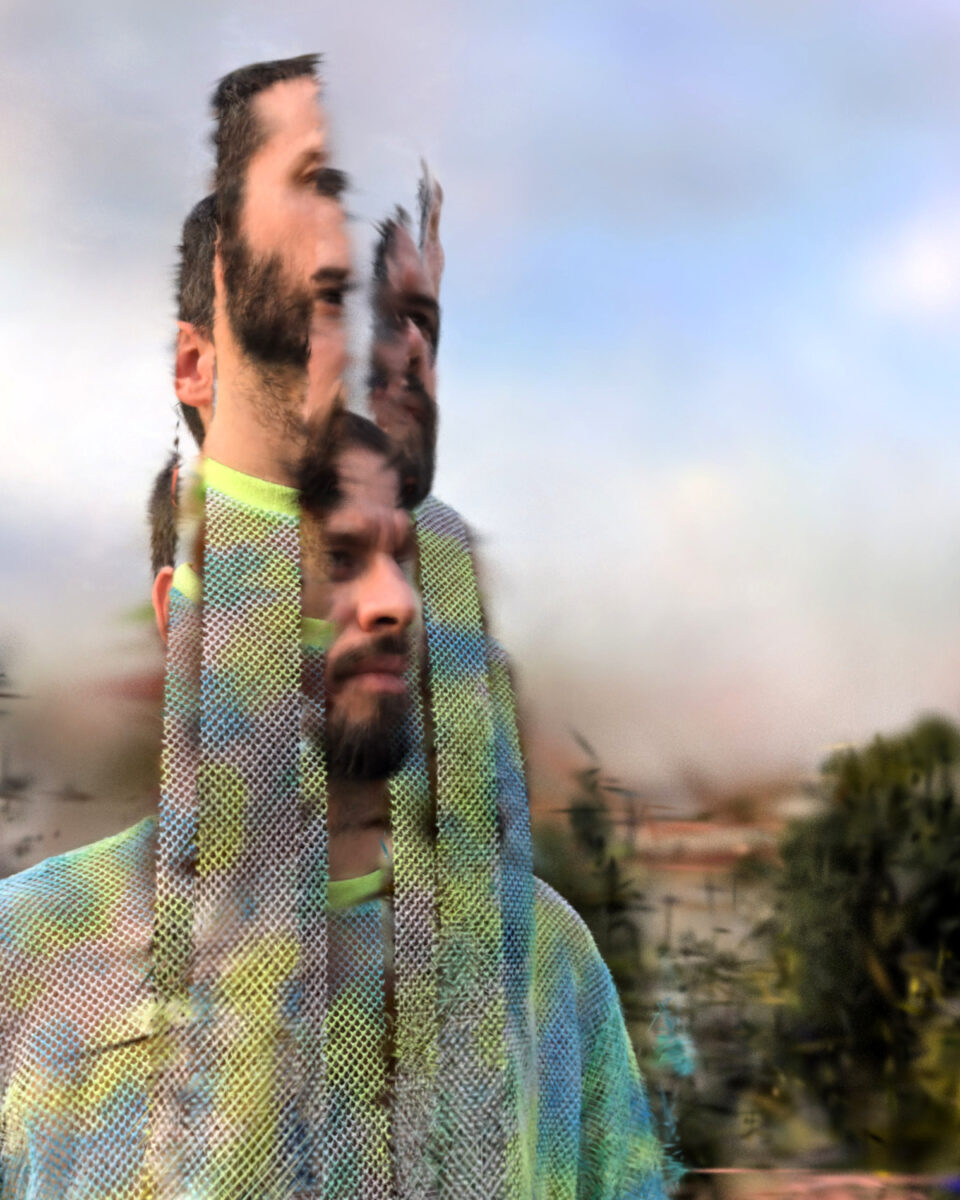
"When the most powerful AI models are in the hands of big commercial
entities, they want to censor everything. And music needs to be able
to rebel. It needs to be able to say things that are sometimes illegal,
because sometimes what is right is illegal."
There are several aspects of these pieces on your new EP that seem like they must take a long time to get right. They’re maximalist, compositionally dense, and with many little sections. How do you know when you’ve finished something? Do you ever come back to something, say, a month after you put it down and think that it needs more?
I just know when it feels right. But that threshold has significantly lowered with these last two EPs compared to before. Something doesn’t need to be absolutely perfect for me to enjoy it, and if I enjoy it, why not release it?
Previously I’d enjoy something I’d made but still not release it because it felt too derivative, or too different from what I’d done before, or too similar, or the genre is one of the “uncool” ones or whatever. I was just way too caught up in what other people would think when it came out, even if I personally was happy with it. So part of knowing when something was done was also thinking too much about whether other people would think it was done. I’m trying to drop that completely.
Have you had any experience putting on multi-channel performances, or is that something you might be interested in doing in the future?
I’ve done a couple of multi-channel performances in clubs, which has been fun, having these crazy echoes bouncing between all the different speakers. But what I do regularly, every month or so, is host a surround sound listening session in my studio.
I invite a bunch of friends over and we listen to an ambient and drone session I’ve put together in four channels of surround sound. We basically lie down in soft darkness and just absorb the sounds for an hour and see where it takes us. Afterwards we’re all just sort of lying on the carpet, laughing and talking. It reminds me of a sleepover. I love it.
Lots of people are worried about losing their jobs to AI. They’re worried about C-suite individuals gutting the workforce. But there’s also something else that seems to be happening, which is that many small startups are taking on massive projects that they otherwise weren’t able to code up 5 years ago. Maybe it’s the big corporations that should be worried. What do you think?
One thing that is cool about these AI tools is that we’re going to end up with a lot of multimodal projects that have a singular voice, because they’re coming from a single person. Noise Canvas would have taken me years without AI coding tools. Instead it took me a month.
It’s advancing so rapidly that it’s kind of overwhelming. Previously I would wake up in the middle of the night with an idea and jot it down in my notes app. But now describing an idea is almost the same as implementing it. So recently when I wake up in the middle of the night I’ve just been launching an AI agent to create a prototype, and by the time I wake up in the morning I’ve already got something I can play with.
It’s pretty crazy, but it’s also really bad for my work-life balance, because I’ve always got this project generator sitting in my pocket at all times. It’s turning into a bit of an addiction. And I’ve already got a bad phone addiction. Fuck!
What is Noise Canvas? How did you build it? How long have you been working on it, and has the nature of the work changed since you started?
Noise Canvas is a tool I’m building for editing sounds in the frequency domain. It’s a bit like Photoshop for sound, or a modern version of Metasynth. You paint into the spectrogram basically. You load up a sound, it shows you the frequency content, and then you can modify that content in all kinds of ways. Blurring bits, reversing bits, distorting things, warping things. You can get some truly bonkers sounds out of it.
The idea came from this mental image I’ve had for years of sitting under a tree, listening to your surroundings, birds tweeting, wind in the leaves. You’ve got a tablet in your hand, and just like you might pick up a pencil and sketch the scene in front of you, you sketch it sonically instead. A bit of low end noise for the rumble of the wind, some texture in the top end for the rustling leaves, then taking out a sine brush and sketching in the birdsong. Noise Canvas grew out of that idea.
I built it over the space of about a month of very late nights. I’m currently working up to a version one release, which is going to be a big one. I see it as a project I’ll be continuously working on for a long time, or at least until I get bored of it.
It’s also a complete right angle from where I was a couple of years ago when I was really pushing on the live performance front. Since then I’ve decided I actually don’t enjoy doing super complex live sets at all. It was just a challenge I set myself to see if I could do it. What I actually love is sitting at home in my studio, painting shapes into spectrograms.
"For me, the hardware and the software are part of the creative process.
Looking for the perfect tone is part of the creative process. Everything
you do, everything you work on, is part of it. I don't see any distinction.
You can use software creatively, you can use hardware creatively."
Do you ever feel that hardware/software can be a distraction from the creative process, in the same way that a guitarist might look for the perfect tone and sacrifice time writing music?
For me, the hardware and the software are part of the creative process. Looking for the perfect tone is part of the creative process. Everything you do, everything you work on, is part of it. I don’t see any distinction. You can use software creatively, you can use hardware creatively.
A part of creativity is exploration, and you can’t explore without exploring new things. Even just flicking through presets on a new synth is creative, because by deciding whether you like a sound or not, and whether it fits with what you’ve already got, that is already a creative process. You might play a note and it inspires you. That is all part of the creative process, at least for me.
Some of your software projects remind me of Isadora by TroikaTronix, which I’ve seen used for multimedia dance performances. I’m sort of guessing you know many similar software companies and projects. What software creators out there are inspiring to you?
I really like what DataMind is doing. Their Refractalizer is something I’ve used in my studio listening sessions and you can get these really crazy effects with it. Dillon Bastan is also doing some absolutely nuts stuff with Max for Live devices.
What have you learned while working on this EP? Were there any areas of your process that you feel like you’ve levelled up?
I’ve learned to trust my instincts a lot more. But also things just feel a lot tighter than before. I’m always worried I’m somehow regressing, that I peaked ten years ago and it’s all going downhill from here. But then I listen to those old releases and sometimes I get frustrated by the production itself.
I’m definitely getting better at making things sound chunky. Whether the ideas are better or not, I genuinely don’t know. How I feel about that changes on a daily basis and is basically the core of my self-doubt when making music…but I’m enjoying myself, and that’s the most important thing, isn’t it? Isn’t it??
In terms of music composition, where do you want to go from here?
My plan is to release a bunch of EPs leading up to an album. I haven’t done an album in five years and it took a lot out of me, so these EPs are basically me warming up, stretching my brain muscles, practicing the different pieces I’ll need for a big project like that again. These last two EPs have been very percussion focused. But next on the list is melodic composition, which I feel a bit out of practice with.
So there’s another EP I’m releasing this year which is a pure piano record. I feel like a decent composition needs to hold up on a single piano with a single sound. That’s the ultimate test of whether a melody is compelling on its own. It’s quite easy to cover a boring chord sequence with fancy synths and just bury it in other sounds. But for this album I want the melodies themselves to be compelling without any of that.
The album is about sounds and perceptions outside the human range of hearing. Ultrasound, infrasound, and also sounds whose timescale is so long that you can’t really appreciate them as sound. To explore that last idea I built an app that records two seconds of audio every minute, and I had it running on my phone for about a year and a half. My plan is to compress all of those recordings so that one bar equals one day, and then see if I can get some kind of rhythm out of that.
Cicada is out now via Mesh. Buy a vinyl copy from Inverted Audio Record Store and digital from Bandcamp.
- SOUNDCLOUD
- MIXCLOUD
- APPLE PODCASTS
TRACKLIST
1. Rob Clouth – Core [Mesh]
2. Aya – I Will Not Come at Your Beck And Call I Am At Home Preemptively Mashing Up The Dance That Is Where I Am [Illegal Data]
3. Polygonia – Metaphysical Scribbles [Dekmantel]
4. Air Max ’97, Loft – Xhrinicibles [DECISIONS]
5. Pépe – Drumshed [CEE]
6. Flore – Coded Language [POLAAR]
7. Prieste5s – Seance [traverse]
8. GЯEG – Tipti [Nehza Records]
9. six impala – ri pple [self-released]
10. Addison Groove, DJ Die – Legion of Boom [GutterFunk]
11. Lapalux – Make Money [Brainfeeder]
12. Cesco – Spiral [Unchained Recordings]
13. Itoa – Turbo Sideman [Exit Records]
14. Minor Science, Seppa – Otium Backhander [Mutant Bass Records]
15. Sam Binga, Addison Groove – Drop That Pop That (Hyroglifics Remix) [Pineapple Records]
16. Fixate – Tweeked [Exit Records]
17. Hyroglifics, Sinistarr – BS6 [Hooversound Recordings]
18. Special Request – Stairfoot Lane Bunker (Minor Science Remix) [Houndstooth]
19. Skeptical – Tundra [Soul:r]
20. Mikal – At the Controls [Metalheadz]
21. Richie Brains – Buss It [Exit Records]
22. Sully – Vanta [Keysound Recordings]
23. Squarepusher, AFX – Freeman, Hardy & Willis Acid [Warp]
24. Tribilin Sound – El Carmen [Tiger’s Milk Records / Strut]
25. Samuel Organ – Guidance [self-released / DMY Artists]