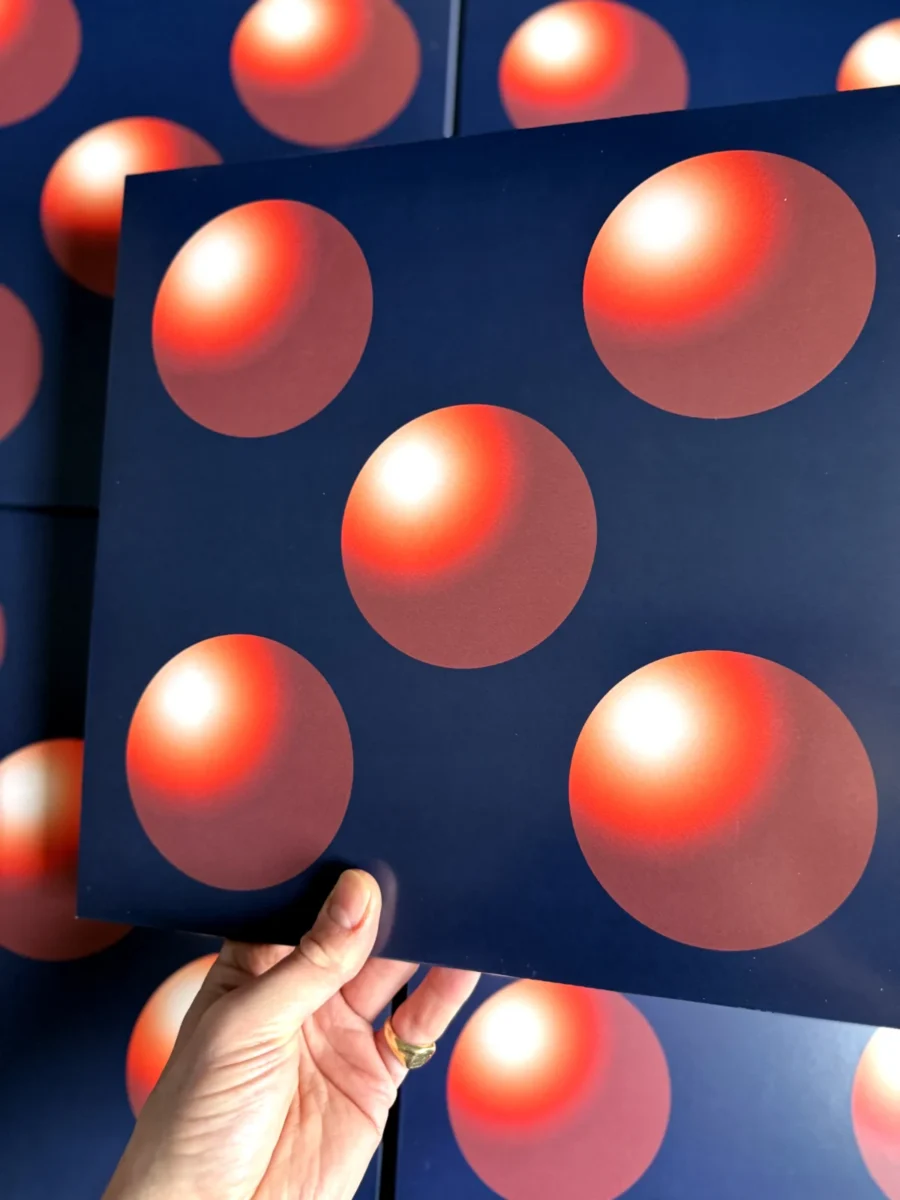
P&D, the record label run by P Relief and Suzanne Kraft, has patiently been putting out works from one P and one D for the past 10 years. Each release is presented with a careful arrangement of spherical marbles on the cover, all waiting to be knocked about. It’s the kind of artwork that gets unknowingly lodged in the brain folds, to be remembered and retrieved in the middle of an in-dream DJ set.
Picking up a P&D jacket and holding it in your hands, you might be reminded of the early software and gaming companies of the ‘80s and ‘90s, when the companies were small and not yet overtaken by the corporo-capitalist mind virus. There was maybe one guy at each company who had taken ecstasy, and a New Age ethos informed their group decisions. Like all eras past, there is something to be gleaned from the aesthetics of the time and the culture.
That said, ambient house outfits like P&D aren’t some kind of post-software, post-New Age answer to the past. The serenely economic aesthetic of the music and the art can, like Seinfeld, be about nothing. It just works well. It’s a music that is incredibly palatable for any esoteric-but-tasteful DJ set, and scrumptious enough that it should be put on in the comfort of a living room so the pets can enjoy it, too.
We now arrive at P Relief’s latest, Fluff. Dusted and Fluff see P Relief pushing the tempos a bit, which pairs well with this limited edition cassette mix for Inverted Audio. While still using ambient house as a jumping-off point, Fluff leans a bit more into bass music, reaching for metallic embellishments, punchier kicks, and a more urgent rhythm. Despite the new digs, his music is never overly aggressive or bombastic, and like the rest of P&D, it has the elevating effects of an aural tonic.
Title track “Fluff” is a four-on-the-floor banger that opens with synth pads so wide you can surf on them without falling off the edge. “Bar Out” sounds far out in space, perhaps one of Relief’s most esoteric productions yet, with skittery snares, hi-hats that sweep the noise spectrum, and homing beacons searching for a response signal. “Been On My Mind” is the most charged of the three tracks, featuring an ebullient vocal sample and a long, syrupy pad tag at the end.
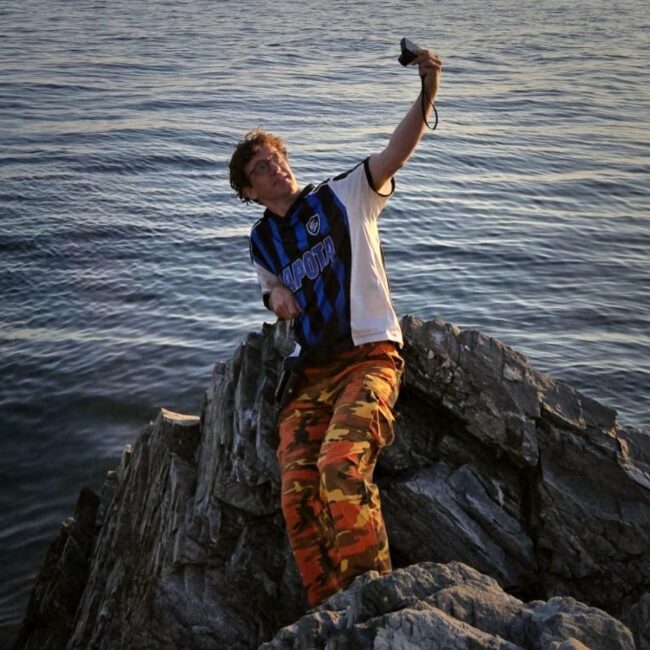
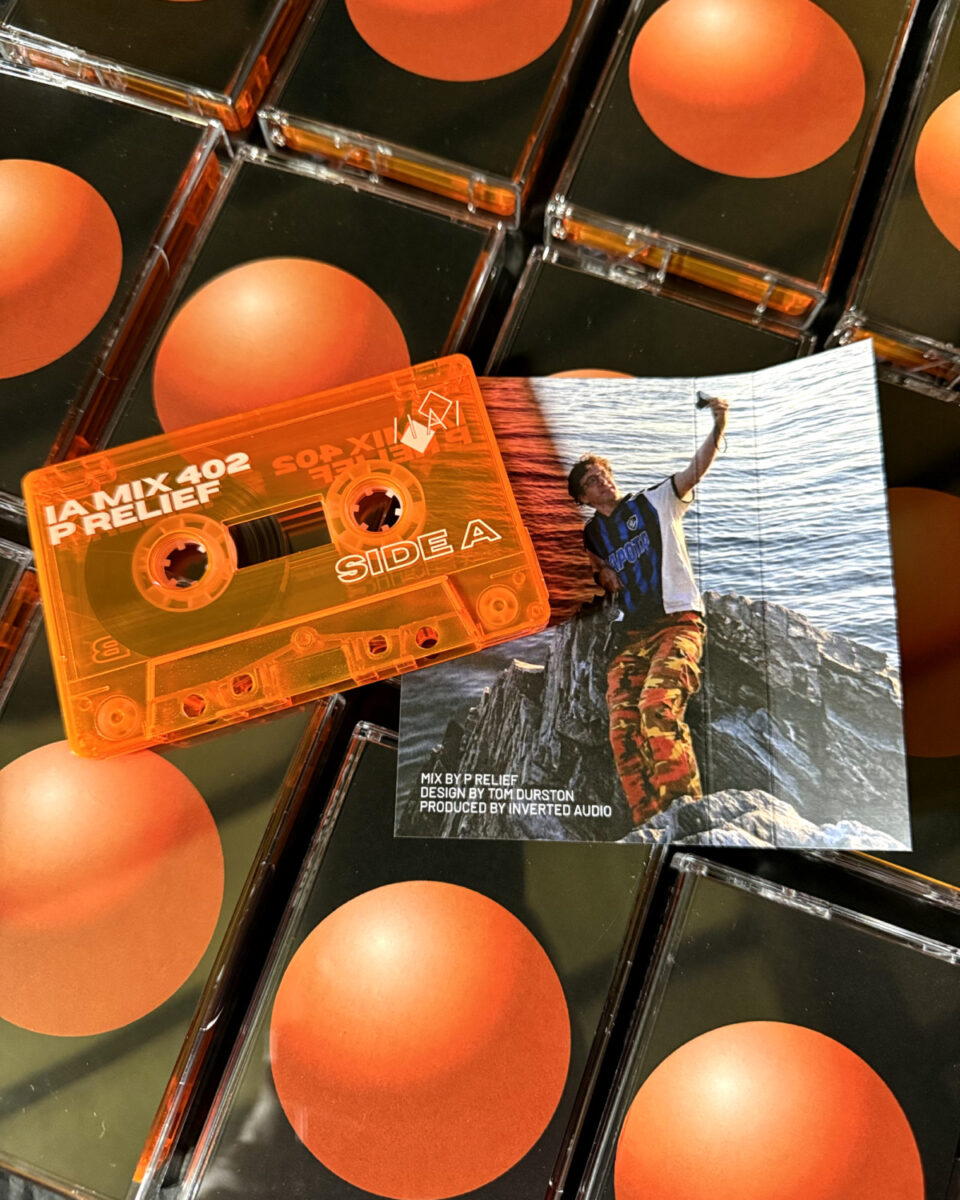
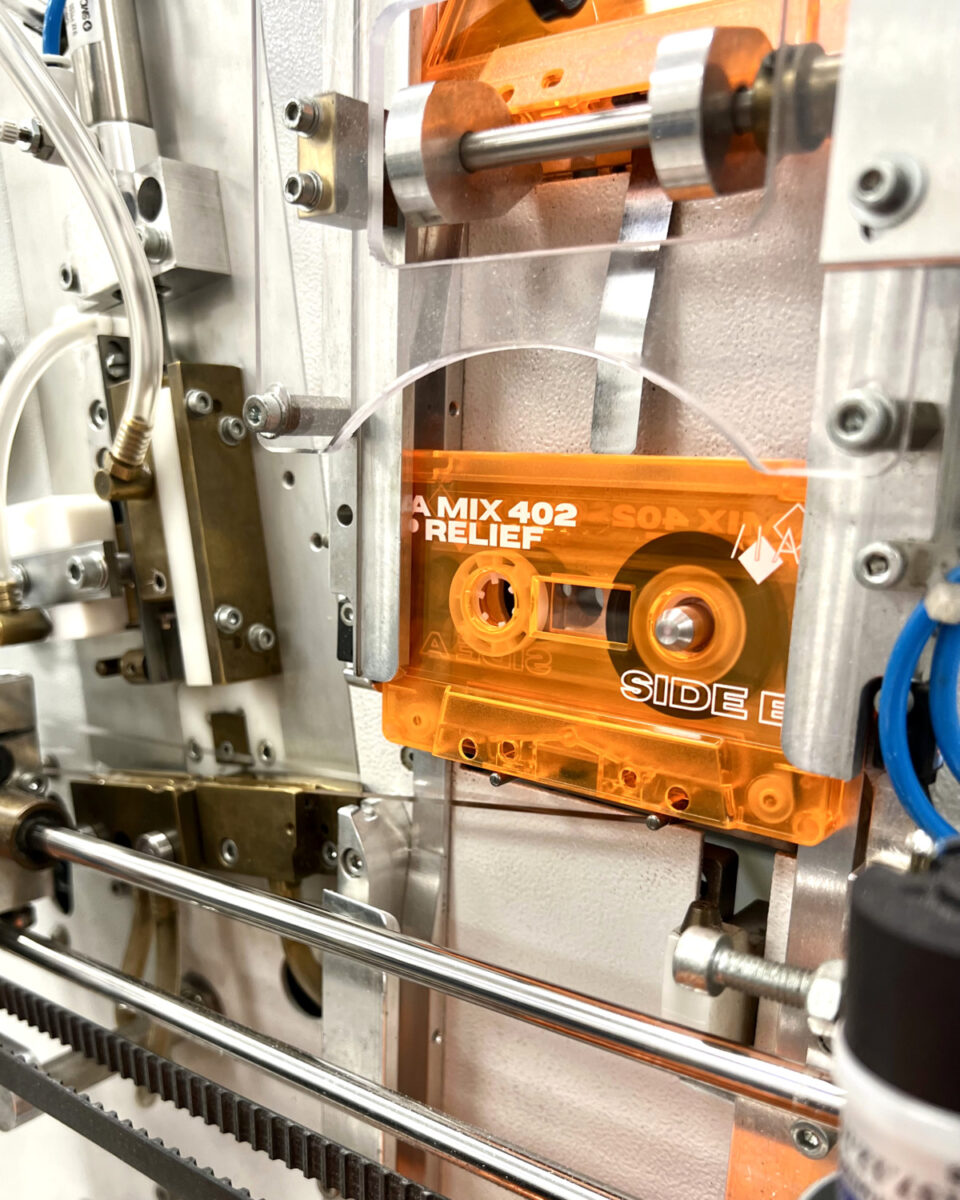
In his IA MIX, P Relief shares a medley of house tunes mixed in with punchy, basswise tracks, all either recently released or due out soon. Hovering around 125bpm throughout, this selection works for the dancefloor as well as for those who want to play it on the stereo and give the woofers a workout. Having had his own tunes featured in the track listings of older IA MIX’s, P Relief continues the conversation with a mix that sits right in the pocket of Inverted Audio’s focus on forward-looking music. Where other DJs play it fast and loose, this mix is incredibly tight and carefully considered, acting as virtually one continuous piece of music. We caught up with P Relief to discuss his new cassette mix, Fluff, P&D, Berlin, Los Angeles, and much more.
Interview by Ryan Pivovar
"My approach to making music is very rudimentary and un-technical. I grew
up playing drums and that informs a lot of how I approach creating songs -
rhythm dictates the structure and I usually just kinda jam on stuff for
a while and see what sounds nice. Sporadic is my speed, for sure."
Please tell us about the mix you’ve put together for Inverted Audio – what guided the track selection, what kind of atmosphere you were aiming for, and the context in which it was recorded.
I had started thinking about what I might want to have on this mix as soon as Tom so nicely extended me the invitation. When I was playing stuff in my living room I wondered if it’d be possible – given how invested Inverted Audio is in promoting interesting, new music – if it would be possible to make a mix with entirely new music. I generally tend to play lots of older music when I DJ or make a mix and so this was a fun challenge.
Congrats on the release of Fluff! Tell us about these three tracks. In terms of hardware, software, and approach, how were these made? Did these come out of a very focused period, or were they worked on more sporadically over time?
My approach to making music is very rudimentary and un-technical. I grew up playing drums and that informs a lot of how I approach creating songs – rhythm dictates the structure and I usually just kinda jam on stuff for a while and see what sounds nice. Sporadic is my speed, for sure.
How has your production changed (or stayed the same) between Fluff and Dusted? How has your process evolved?
I can’t say, really. I don’t think much has changed or evolved in terms of how I create music. It’s all pretty loose. I have basically used the same gear and setup for years. I think if anything I’ve gotten better at editing or slimming things down. I’m trying to minimise the number of tracks and things I’ve got going on in my music these days.
P&D Records is about 10 years old now. What is its origin story? How is it working with “D” / D. Herrera / Suzanne Kraft? How did you all meet? Anything the world should know about him that he doesn’t want anyone to know about?
Damn…a decade, eh? I met D in a bar in LA at an Italo night (s.o. Thriftcothéque) and we just clicked. We hung all the time, lived together for a while, made music together and generally just saw things through the same lens. Working together feels like a strong way to describe how we do this label. We generally just float stuff back and forth and if it jives we release it.
I looked up Thriftcothéque and saw Eddie Ruscha was involved. I had recently heard his album Aquáticos that he did with Fabiano Do Nascimento. I think I found out about it through Shawn Reynaldo’s Substack (First Floor). It’s a fantastic album. Anyway, Thriftcothéque must have been a good time.
A crazy good time. Although it was always on a Tuesday (I think) and never as well-attended as it should have been. DJ nights can be fickle beasts in any town but Los Angeles can be especially tricky.
Even just in terms of electronic music, the scene in Berlin feels incredibly rich and diverse. How did you come to call it home?
Around the time my wife and I were considering spending more time in Berlin (maybe doing some months off/on and staying in LA more or less permanently) we found out we were expecting a child. We always clocked that Berlin was a pretty kid-friendly place and eventually decided to move here. That was in 2018. And now we have two kids and still live here and love it.
Circling around to music, I think that because it’s not 100% of my focus in Berlin I see things somewhat different from others involved more primarily in making tracks and DJing. But yes for sure electronic music is wildly rich in Berlin. It helps that the government recognises its import and places can stay open late.
I’m kind of a sucker for nature. What are some naturally beautiful spots around the Berlin area that people need to know about?
Classic but the Grunewald is an amazing resource to have accessible via subway. Most of the big city parks (Tiergarten, Tempelhof, Treptower, Hasenheide even) have little woody nooks that make you feel like you’ve stepped out of the city for a short reprieve. Berlin might lack in topography but it makes up for that with a crazy amount of trees and foliage.
I’d love to find out more about the visual identity behind P&D. I’ve noticed each release features a series of spheres – Dusted has four, Fluff has five. Is this something you design yourself, and is there a meaning or system behind the progression?
Diego does all the design for the label. I can’t remember how we first settled on the spherical motif but it seems like a cohesive element to keep returning to.
Dusted is noted as being recorded at “Studio Cloudview” between 2018 and 2021. I couldn’t find much about it – is that a personal space, and what kind of environment were you working in during that period?
I used to live in a top-floor apartment for many years in Berlin with skylights and would often zone out to my music and check out the clouds.
Congratulations on your Master’s thesis. How much blood, sweat, and tears did you put into it? I’d imagine getting a degree like that would involve some amount of frustration, but I also feel like the best work comes out of frustration. Has your work there influenced your music, and vice versa?
Thanks. I think any frustration I encountered while writing was less to do with the actual writing of my thesis and more with certain administrative hurdles I had to manage. Academia in Germany is at once extremely hands-off but also bound by very specific procedure. But, I think once I’d finished (which basically happened to coincide with the release of “Fluff”) there was definitely a nice sense of accomplishment and now that I’ve gotten my grade back I’m even happier with how things have gone.
In terms of my thesis influencing my music and vice versa, I think what I mentioned before about getting slightly more comfortable with editing or deleting certain parts of songs is probably the direct result of writing papers and critically examining my work.
I recently got into Jorge Luis Borges. Is that a deep cut, or am I a loser? I assume anyone getting a Master’s in literature is a great writer. Am I wrong? What out there should people be reading more of?
Borges is amazing. I think he’s probably more unsung than he should be but the internet has likely helped point people in his direction. His influence is immense and what I always find so enchanting about his writings is how relatively early he was exploring themes of metafiction, extraterrestrial life and authorship. He’s basically the postmodern north star half a century before that was a thing.
I think as long as people are reading at all that’s a good thing. I’m as susceptible as anyone to getting lost on my phone but I often find time spent reading a nice novel (or whatever!) in print does wonders to reset my digitally-overloaded brain.
What do you think is missing from music journalism/criticism? Are there any journalists’ voices out there, music-related or not, who you find to be special?
If I’m being honest, I don’t read music journalism anymore. An indie kid who discovered Pitchfork in high school, I think maybe I overdid music journalism. Writing about music is tough sledding and I don’t envy people that have to translate music into language. The great thing about releasing or djing music is that you can quite simply let the music speak for itself. But speaking/writing for music is oftentimes a herculean task, in my opinion.
I used to live in Los Angeles, and there really are so many great places in California. I’m a huge fan of the Big Sur area, Idyllwild, and a few other places. Are there any spots that you feel don’t get enough love?
I love the Eastern Sierra (Bishop, Lone Pine) region and often daydream about it.
The food in LA is so good. There’s a chain there called Great White Hut that I really love. The ramen in LA is also top shelf. In terms of food, who wins? Berlin or LA? Is it a competitive fight, or not even close?
I will say Berlin food has gotten infinitely better since I first moved here but I think Los Angeles has basically the best food in the world.
What are your favourite clubs to play at? Are there any big distinctions between German and American clubs in terms of the culture, the way they feel, and the people who show up?
I feel super lucky to have played in New York (123) and San Francisco (Bar Part Time) recently, both parties were extremely fun and people were really down to dance. The people running both those places are also great and really positive forces for both cities.
Probably the biggest difference between clubs in Berlin and America is just the timespan. Places are open legally so much later here that it changes how people go out and how they party.
What artists, musicians, labels or otherwise, have been inspiring you lately? Are there any artists you keep coming back to that influence your music?
I feel really lucky to be friends with so many amazing producers, musicians and DJ’s who continually inspire me.
A special shoutout to Mammo, who I think has been making some of the best music over the past years. Humble, quiet and doing things on his own terms, he embodies a very pure approach to music which is super refreshing in 2026.
What does your studio setup look like, and are there any particular instruments, machines or processes that play a key role in your productions?
My studio looks…basic. Ha. I’m not a crazy gear-head nor am I super adept at the music theory side of things (growing up a drummer, I never really learned chord progressions and such). My most important piece of gear is my trusty Elektron Digitakt, which I use constantly and helps me throughout the entire process of song creation.
What’s on the horizon for P&D – any upcoming releases or directions you can share?
I think a release from Diego is next on the horizon, actually. If not, I’d like to release another record within the next year.
There seems to be a natural connection between P&D and Acting Press, especially with the label handling distribution. How did that relationship come about, and what ties you to the artists involved?
They’re just my really good homies and I think because we are primarily friends who now “work” together it’s a very natural, easy relationship.
Acting Press and its wider circle – including P&D, PIN, MIDI_bug and Flørist’s Pavillion – are putting out some of the most forward-thinking electronic music right now. What do you think connects all of these projects?
Again, we’re all friends and so sometimes it’s hard for me to disassociate that from outside perception about our music and I don’t want to speak for anybody else but I’d say one thing unifying us all is that we create music with a bit of soul/emotion. I think all of us appreciate music that is simultaneously the result of hard work and dedication but also sometimes leans towards the bizarre, weird, playful and whimsical.
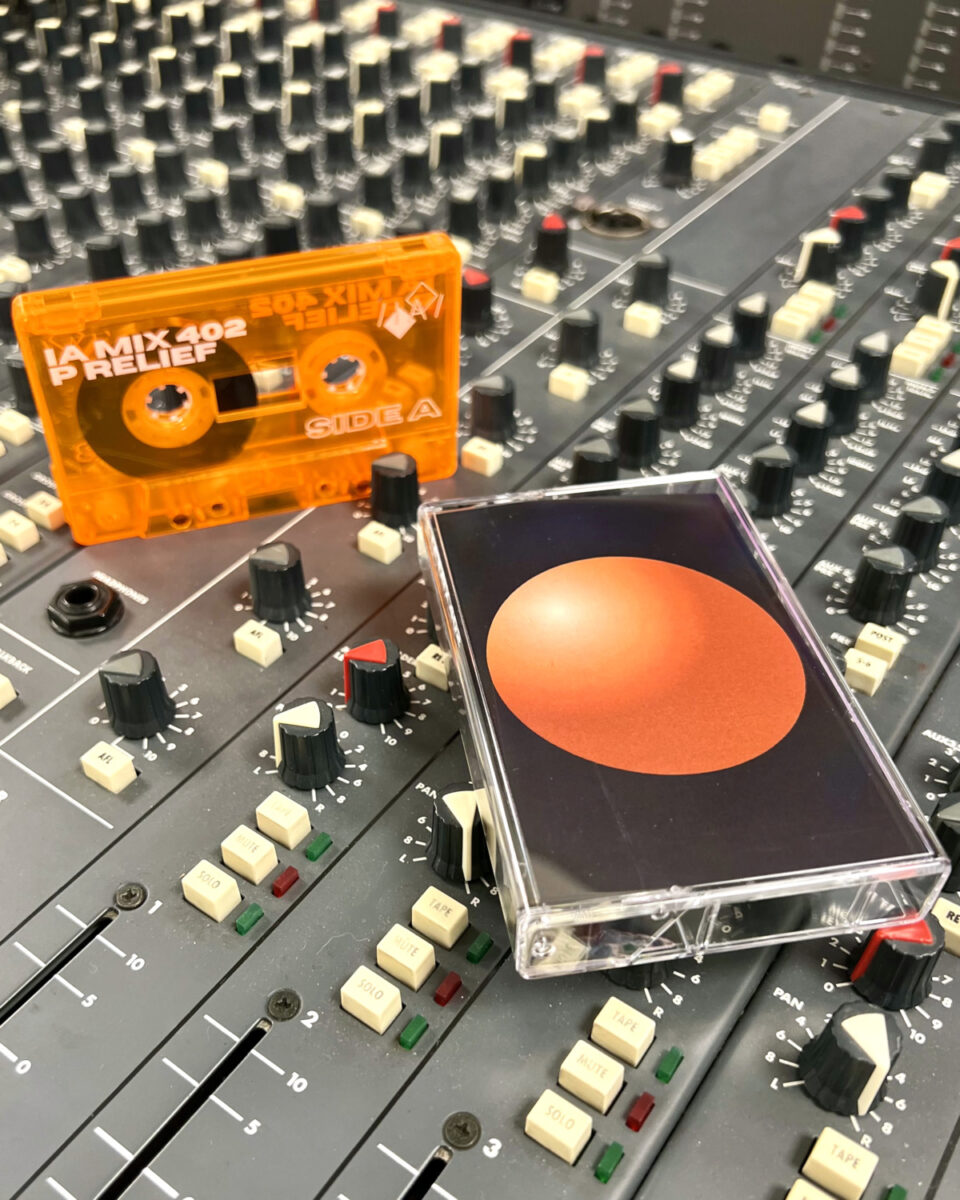
IA MIX 402 is out now. Buy a cassette from Inverted Audio Record Store.